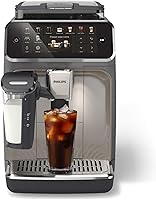
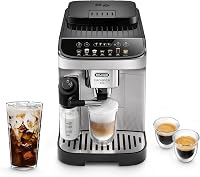
Philips 2300 vs 2200 LatteGo: Which Is Better? (November 2026)
The Philips 2200 LatteGo is the better overall pick, while the 2300 suits buyers who want 4 presets and quieter brewing. Compare drink choices, controls, cleaning and cabinet space before choosing between these Philips machines.
On this page (11 sections)
- Philips 2300 vs 2200 LatteGo: which wins overall?
- How do the Philips 2200 and 2300 compare side by side?
- Which Philips machine gives you more drink choices?
- Which one is simpler to control?
- Does the Philips 2200 or 2300 handle milk drinks better?
- Which model is easier to clean and maintain?
- How much counter space does each Philips LatteGo need?
- Does the grinder difference affect the choice?
- What does each machine suit in daily use?
- How should you choose between these Philips machines?
- What is the final Philips 2300 vs 2200 LatteGo verdict?
The Philips 2200 LatteGo is the better overall choice, while the Philips 2300 is the better fit for 4 presets, quieter brewing and a shorter cabinet. The philips 2300 vs 2200 lattego decision comes down to whether those extra 2300 features matter more than the 2200's higher score.
Both are fully automatic Philips espresso machines for whole beans or beans, depending on the model's wording. Both include LatteGo milk preparation, so the main difference is how many preset choices, controls and care features you want.
We compared the listed features, dimensions and product details. The score weighs those specifications against the needs of someone choosing a convenient bean-to-cup machine for home or office use.


Philips 2300 vs 2200 LatteGo: which wins overall?
The Philips 2200 LatteGo wins overall for most people. Its 8.2 score is higher than the Philips 2300's 7.7, and it covers the core drinks with a simple touch display, adjustable strength and quantity, and a 100% Ceramic Grinder.
The Philips 2300 is a focused alternative rather than the general winner. It gives you 4 presets, including hot water, plus Silent brew, a removable brew group and guided descaling.
That makes the choice practical. Pick the 2200 when espresso, coffee and cappuccino are enough and you want the higher-scoring model.
Choose the 2300 when hot water, a shorter machine or its listed care and sound features are central to your routine.
The 2200 also has the simpler product story. Its controls and drink choices are easy to understand, which helps when several people share the machine and want one-touch coffee without extra decisions.
The 2300 earns its place when you will use its extra preset or its care features. A feature only helps if it matches a repeated task in your kitchen.
How do the Philips 2200 and 2300 compare side by side?
The 2200 is wider in its stated dimensions but shorter in depth, while the 2300 is shorter overall and needs more width. Their drink menus also differ by one preset.
| Feature | Philips 2200 LatteGo | Philips 2300 LatteGo |
|---|---|---|
| Overall score | 8.2 | 7.7 |
| Automatic choices | Espresso, Coffee, Cappuccino | Espresso, coffee, cappuccino, hot water |
| Milk system | LatteGo Milk Frother | LatteGo Milk System |
| Dimensions | 10 in D x 15 in W x 17 in H | 9.68 in D x 17.04 in W x 14.6 in H |
| Interface | Touchscreen | Buttons, Touchscreen |
| Grinder | 100% Ceramic Grinder | Built-in grinder |
| Filter | Reusable filter, AquaClean maintenance feature | AquaClean |
| Noted care features | AquaClean filter, Aroma Seal | Removable brew group, guided descaling |
| Noted sound feature | Not listed among the features | Silent brew |
| Milk system detail | LatteGo Milk Frother | 3-part LatteGo system |
The table shows why cabinet measurements need more attention than a simple “newer is better” assumption. The 2300 is about 2.4 in shorter than the 2200, but it is about 2.04 in wider.
The 2200's 100% Ceramic Grinder is a clear named feature. The 2300's product details describe a built-in grinder, along with a 15 bar output pressure.
Which Philips machine gives you more drink choices?
The Philips 2300 wins for preset variety. It offers espresso, coffee, cappuccino and hot water, while the Philips 2200 offers espresso, coffee and cappuccino.
That fourth option matters if you regularly prepare hot water from the same counter appliance. It gives the 2300 a clear advantage for someone who wants a simple hot-water selection alongside coffee drinks.
The 2200 still covers the three choices most central to this comparison. Espresso gives you a smaller coffee drink, coffee gives you a longer black drink, and cappuccino adds milk froth through the LatteGo system.
A larger menu isn't automatically better. Extra choices are useful when they match your habits, but they add little if you only make black coffee and cappuccino.
The Philips 3200 vs 2200 LatteGo comparison is useful if you are considering another Philips step between basic drink choices and a broader menu. For this matchup, select the 2300 for hot water and the 2200 when 3 presets cover your day.
Which one is simpler to control?
The Philips 2200 is the simpler pick for direct touch control. Its intuitive touch display lets you select a drink and use the My Coffee Choice menu to adjust strength and quantity across 3 settings.
The Philips 2300 also has an intuitive display and lets you adjust strength and volume. Its interface combines buttons and a touchscreen, so it suits a buyer who prefers a little more physical control around the display.
Both machines are fully automatic. Their product details describe automatic grinding, tamping and brewing, which means the main daily task is choosing a drink and setting the preferred quantity or strength.
The difference is less about skill and more about habit. The 2200 presents a compact choice set, while the 2300 adds hot water and a combined buttons-and-touch interface.
For a shared kitchen, the 2200's direct touchscreen can be easier to explain. For a person who likes buttons around a display, the 2300's interface has a stronger fit.
Does the Philips 2200 or 2300 handle milk drinks better?
Both machines are strong choices for one-touch cappuccino because both use LatteGo milk preparation. Neither requires you to choose a separate manual frothing tool for the listed cappuccino preset.
The Philips 2200 includes a LatteGo Milk Frother and describes a silky-smooth layer of milk froth. Its menu includes cappuccino, so the milk feature connects directly to a named drink choice.
The Philips 2300 uses a LatteGo Milk System. Its product details describe a 3-part system with no internal tubes or hidden compartments, and they state that it can be rinsed clean in 10 seconds or placed in a dishwasher.
That gives the 2300 the clearer cleaning advantage around milk use. The 2200 still has the required milk feature for cappuccino, so it remains the better overall pick if you don't need the 2300's extra care details.
Milk systems need regular attention because residue can build up during normal use. Rinse the parts after milk preparation and follow the care process supplied with the machine.
Which model is easier to clean and maintain?
The Philips 2300 has the stronger named maintenance setup. It includes a removable brew group, guided descaling, AquaClean and a 3-part LatteGo system designed for quick rinsing.
The Philips 2200 uses an AquaClean filter and emphasizes easy maintenance. Changing the filter after the machine prompts you is described as supporting up to 5,000 cups without descaling.
The Philips 2300 also describes AquaClean and up to 5,000 cups without descaling when the filter is changed after prompting. Those statements are manufacturer claims tied to filter use, not a reason to ignore routine cleaning.
A removable brew group gives the 2300 a specific cleaning task that the 2200's details do not name. The 2300's guided descaling also gives it a clearer process for that maintenance step.
The 2200 remains suitable for buyers who want the AquaClean system and a straightforward LatteGo setup. The 2300 is the better care pick when removable brewing parts and guided descaling are worth choosing for.
How much counter space does each Philips LatteGo need?
Choose the Philips 2300 for a lower counter height, and choose the Philips 2200 for a narrower stated width. Measure the space in all 3 directions before deciding.
The 2200 measures 10 in deep, 15 in wide and 17 in high. The 2300 measures 9.68 in deep, 17.04 in wide and 14.6 in high.
That gives the 2300 an advantage under a low shelf or cabinet. Its lower height can make the machine easier to place in a kitchen where vertical clearance is tight.
The 2200 takes less stated width. That can matter on a narrow counter where every inch beside the machine is already assigned to another appliance.
Depth is close between the 2 models. Leave the space needed for the water, beans and milk tasks described for your chosen machine, and keep the controls accessible from the front.
If your counter is wide but low, the 2300 is the clear space pick. If your counter is narrow and tall enough, the 2200's 15 in width is easier to accommodate.
Does the grinder difference affect the choice?
The Philips 2200 has the clearer grinder specification because it names a 100% Ceramic Grinder. The Philips 2300 describes a built-in grinder and automatic grinding, but its product details do not give the same ceramic grinder wording.
A grinder built into either machine supports the fully automatic workflow. You add the appropriate coffee input, select a drink and let the machine handle the grinding and brewing steps described for the models.
The 2200's ceramic wording is useful to buyers who want a specific grinder material in the product description. It gives that model a concrete advantage in this comparison.
The 2300 instead puts more of its emphasis on the complete coffee process. It lists automatic grinding, tamping and brewing, with a 15 bar output pressure and Silent brew among its named features.
Choose the 2200 if the ceramic grinder is one of your deciding specifications. Choose the 2300 if you care more about the full set of 4 presets, Silent brew and its removable brew group.
What does each machine suit in daily use?
The Philips 2200 suits a household that wants repeatable espresso, coffee and cappuccino with simple touch choices. The Philips 2300 suits a kitchen that uses hot water and values its shorter height, quieter brewing feature and extra maintenance details.
Philips 2200 LatteGo: best for most daily coffee routines
The Philips 2200 is the balanced choice when your normal menu is espresso, coffee and cappuccino. Its My Coffee Choice menu lets you adjust strength and quantity with 3 settings, so different people can set a drink closer to their preferred cup.
The 2200 uses whole beans as its coffee input type and operates as a fully automatic espresso machine. Its black finish, metallic exterior finish and touchscreen give it a conventional appliance profile for a home or office counter.
Its stated dimensions are 10 in D x 15 in W x 17 in H, and its item weight is 8 kg. Measure the intended location before you choose it, especially if a shelf sits above the machine.
The reusable filter and AquaClean details support a routine built around regular filter care. The included components are a carafe and filter, which fit the product's LatteGo and water-care setup.
Pick the Philips 2200 when you want the highest score in this matchup and don't need a hot-water preset. It is the stronger choice for a simple, repeatable coffee menu.
Philips 2300 LatteGo: best for extra preset and care features
The Philips 2300 is the more feature-specific choice. Its menu includes espresso, coffee, cappuccino and hot water, giving you one additional preset over the 2200.
Its product details describe automatic grinding, tamping and brewing, plus adjustable strength and volume. The machine uses beans as its coffee input type and includes a built-in grinder.
The 2300 measures 9.68 in D x 17.04 in W x 14.6 in H. Its shorter height can help below a cabinet, but its 17.04 in width needs more side-to-side room than the 2200.
The matte black machine has a matte exterior finish, stainless steel material and a listed weight of 16.5 pounds. It includes a LatteGo storage lid and uses an AquaClean filter.
Pick the Philips 2300 when hot water, Silent brew, guided descaling or a removable brew group solves a specific need. Its 7.7 score keeps it behind the 2200 overall, but those features make it the better match for the right kitchen.
How should you choose between these Philips machines?
Choose by the feature you will use every day, then use the dimensions to rule out a poor fit. The score gives the Philips 2200 the overall win, but the 2300 has clear wins for certain needs.
Choose the Philips 2200 for:
- The highest score in this comparison.
- Espresso, coffee and cappuccino without a hot-water preset.
- A 100% Ceramic Grinder.
- A 15 in stated width instead of the 2300's 17.04 in width.
- A direct touchscreen with My Coffee Choice adjustments.
Choose the Philips 2300 for:
- 4 presets, including hot water.
- A shorter 14.6 in cabinet.
- Silent brew as a named feature.
- A removable brew group.
- Guided descaling and a 3-part LatteGo system.
The Philips 5500 review helps if you are deciding whether a larger Philips LatteGo model better suits your drink routine. If you are weighing brands instead, read our De'Longhi vs Philips Espresso Machines comparison.
What is the final Philips 2300 vs 2200 LatteGo verdict?
Pick the Philips 2200 LatteGo for most people because it scores 8.2 and covers the main espresso, coffee and cappuccino routine with a 100% Ceramic Grinder and touch controls. Choose the Philips 2300 when its hot-water preset, shorter height, Silent brew or removable brew group matters more than the overall score.
The 2200 is the better default for a shared home or office counter. Its menu is clear, its width is lower and its 3 drink choices cover the central use case.
The 2300 is the better targeted choice for a low cabinet or a routine that includes hot water. It also has the more detailed named care features, which can justify choosing it when maintenance convenience is a priority.
Before you decide, measure the counter width, depth and height. Then ask which one feature you would miss most: the 2200's ceramic grinder and higher score, or the 2300's fourth preset and added care features.
For the philips 2300 vs 2200 lattego choice, the rule is simple: choose the 2200 for the strongest all-around fit, and choose the 2300 for a specific space or feature need.
Frequently asked questions
Does the Philips 2300 make better coffee than the 2200?
The Philips 2300 and 2200 both make espresso, coffee and cappuccino through automatic brewing. The 2300 adds a hot-water preset, while the 2200 has a 100% Ceramic Grinder and scores higher here, so choose by drink selection and controls rather than assuming the newer model tastes better.
Which Philips LatteGo machine is smaller?
The Philips 2300 is shorter and slightly less deep at 9.68 in D x 17.04 in W x 14.6 in H. The Philips 2200 measures 10 in D x 15 in W x 17 in H, so the 2300 needs more width while the 2200 needs less.
Can both machines make cappuccino?
Yes. Both the Philips 2200 LatteGo and Philips 2300 LatteGo include cappuccino among their automatic drink choices and use a LatteGo milk system for milk froth.
The 2300 also includes a hot-water preset, giving it 4 listed choices instead of the 2200's 3.
Which machine is easier to clean?
Both use AquaClean filtration and LatteGo milk systems. The Philips 2300 adds a removable brew group, guided descaling and a 3-part LatteGo system that can be rinsed clean in 10 seconds or placed in a dishwasher, while the 2200 emphasizes easy maintenance through AquaClean and its LatteGo Milk Frother.
Is the Philips 2300 worth choosing over the 2200?
Choose the Philips 2300 when its hot-water preset, Silent brew feature, shorter height or removable brew group solves a specific need. For most readers, the Philips 2200 is the better choice because it scores 8.2 here and covers espresso, coffee and cappuccino with simple touch controls.