Philips 3300 vs 5500: Is the Step Up Worth It? (October 2026)
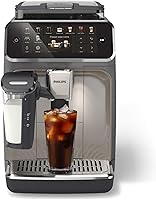
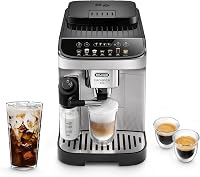
Choose the Philips 3300 for core drinks and simpler controls; choose the 5500 for more presets and saved profiles. Both use LatteGo, so the step up mainly adds choice and personalization.
On this page (6 sections)
Choose the Philips 3300 if six presets cover your routine; step up to the Philips 5500 if you want 20 presets and saved profiles. Both are LatteGo bean-to-cup machines, so the main difference is how much choice and personalization you want.
The 3300 includes espresso, coffee, iced coffee, cappuccino, latte macchiato and hot water. The 5500 has 20 presets across hot and iced drinks, and can save up to 4 profiles.
If you already know the Philips range, our Philips espresso machine comparison puts these models in context with other options. This guide focuses on the step from the 3300 to the 5500.

Philips 3300 vs 5500: what changes?
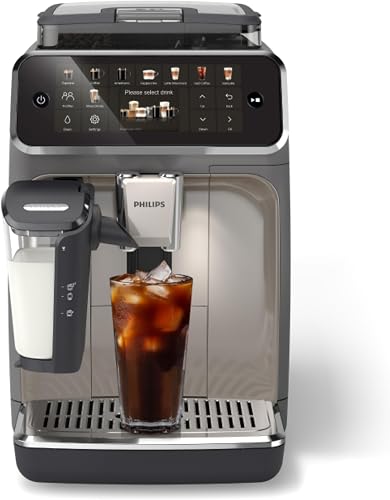
The 5500 adds more presets, more saved profiles, QuickStart and SilentBrew; both share LatteGo. That makes the 5500 a convenience upgrade for varied routines, not a different milk system.
The 3300 has 6 presets and lets you adjust strength, volume and milk level. The 5500 has 20 presets, adjustable preferences and profile saving for up to 4 people.
Both automatically grind, tamp and brew. Both also use a 3-part LatteGo system with no internal tubes or hidden compartments.
| Feature | Philips 3300 LatteGo | Philips 5500 LatteGo |
|---|---|---|
| Presets | 6 | 20 |
| Saved profiles | Not specified | Up to 4 |
| Milk system | LatteGo | LatteGo |
| Milk cleanup | 3 parts; rinse or dishwasher | 3 parts; rinse or dishwasher |
| QuickStart | Not specified | Yes |
| SilentBrew | Not specified | Yes |
The product details use different wording about profile counts in the 5500 description. The product summary says up to 2 profiles, while its feature bullet says up to 4, so confirm the exact model information before relying on that limit.
Which machine suits your daily drinks?
Pick the 3300 if you mostly make its six listed drinks; pick the 5500 if you want a larger menu. More presets help when you use them often, but they add little value if you repeat the same order.
The 3300 covers familiar espresso and milk drinks plus iced coffee and hot water. Its full-color display lets you adjust strength, volume and milk level.
The 5500's 20 presets offer a wider range, though the full list isn't specified here. If your household rotates among different drinks, the broader menu may be more useful than it would be for one or two daily favorites.
Does the Philips 5500 make drinks the 3300 can't?
The 5500 offers more preset choices, but the available details don't identify every additional drink by name. Treat the preset count as evidence of a wider menu, not a promise about a particular drink.
Check the exact model's drink menu if you have a must-have recipe. The Philips 5500 LatteGo review covers that machine on its own, while the Philips machine use guide explains the basic controls and drink setup.
Are saved profiles worth the upgrade?
Saved profiles matter most when several people want different settings. The 5500 lets you save preferences for up to 4 profiles; no profile feature is specified for the 3300.
A profile can help you return to your preferred strength, volume or milk choice without adjusting each drink again. That convenience is more relevant in a shared kitchen than in a home where one person makes the same coffee each time.
If you rarely change settings, the 3300 already lets you tailor strength, volume and milk level. You can still adjust each drink without needing a saved profile.
The 4400 offers a middle path, with 12 presets and up to 2 profiles. See the Philips 4400 LatteGo alongside the other models if you want more options than the 3300, but don't need the 5500's full preset count.
Is LatteGo different on the 3300 and 5500?
Both use the same 3-part LatteGo system, so the 5500's step up doesn't change the listed milk-cleanup design. The system has no internal tubes or hidden compartments.
Philips says LatteGo can be rinsed clean in 10 seconds or washed in a dishwasher. Milk parts still need routine cleaning after use, so follow the care instructions for your machine.
For a milk-based drink, the cleaning routine may matter as much as the preset count.
What do QuickStart and SilentBrew add?
The 5500 specifies QuickStart and SilentBrew, while the 3300 details provided here don't specify those features. If a quick start or quieter grinding matters to your routine, those named features give the 5500 an edge on paper.
QuickStart is described as ready-to-brew in 3 seconds. Philips says SilentBrew uses sound shielding and quiet grinding and is 40% quieter than earlier models.
Those are Philips claims, not a guarantee of a particular sound level in your kitchen. The feature comparison also doesn't show how the 3300 performs against the 5500 in a direct noise measurement.
Which Philips machine should you choose?
Choose the 3300 for its six core presets and LatteGo; choose the 5500 for a broader menu, saved preferences and its named speed and sound features. If you want a midpoint, consider the 4400's 12 presets and up to 2 profiles.
The 3300 is the straightforward fit when you make a small set of drinks and don't need saved profiles. It retains adjustable drink settings and the same 3-part milk system.
The 5500 suits a household that wants more preset variety and expects to use profile saving. If those extras don't match your routine, the larger menu alone may not make the step worthwhile.
Compare the full range in our best Philips espresso machines guide, then choose by the drinks and settings you'll actually use.
Our score weighs specs, features and buyer feedback against what you're shopping for. The supplied research notes show 700+ bought for the 3300 and 500+ for the 5500; those figures are context, not a measure of drink quality.
| Product | Best for | Presets | Profiles | Milk system | Our score |
|---|---|---|---|---|---|
| Philips 3300 LatteGo | core drinks | 6 hot and iced options | Not specified | LatteGo | 8.8 |
| Philips 5500 LatteGo | more saved choices | 20 hot and iced options | Up to 4 | LatteGo | 8.7 |
| Philips 4400 LatteGo | a middle ground | 12 hot and iced options | Up to 2 | LatteGo | 8.0 |
Frequently asked questions
What is the difference between Philips 3300 and 5500?
The Philips 3300 has 6 presets, while the 5500 has 20 and can save up to 4 profiles. Both use LatteGo, and both let you adjust drink preferences.
The 5500 also specifies QuickStart and SilentBrew, so its main advantage is a broader menu and more personalization.
Does the Philips 5500 make better coffee than the 3300?
The available product details don't mean one makes better-tasting coffee. They show more presets and profile saving on the 5500, while both automatically grind, tamp and brew.
Choose by drinks and settings you'll use, and compare the exact model details before deciding.
Is Philips LatteGo easy to clean?
Both machines use a 3-part LatteGo system with no internal tubes or hidden compartments. Philips says it can be rinsed in 10 seconds or washed in a dishwasher.
Follow the care instructions for your exact model and clean the parts after milk drinks.
Should I buy the Philips 4400 instead?
The Philips 4400 is a middle option with 12 presets and up to 2 profiles. It adds more drink choices and saved preferences than the 3300, while the 5500 offers 20 presets and up to 4 profiles.
Pick based on whether those extra choices fit your household.